
Blog / Asheville Lincoln Service

Blog

All Asheville Lincoln Service Asheville, NC Asheville Lincoln Dealer
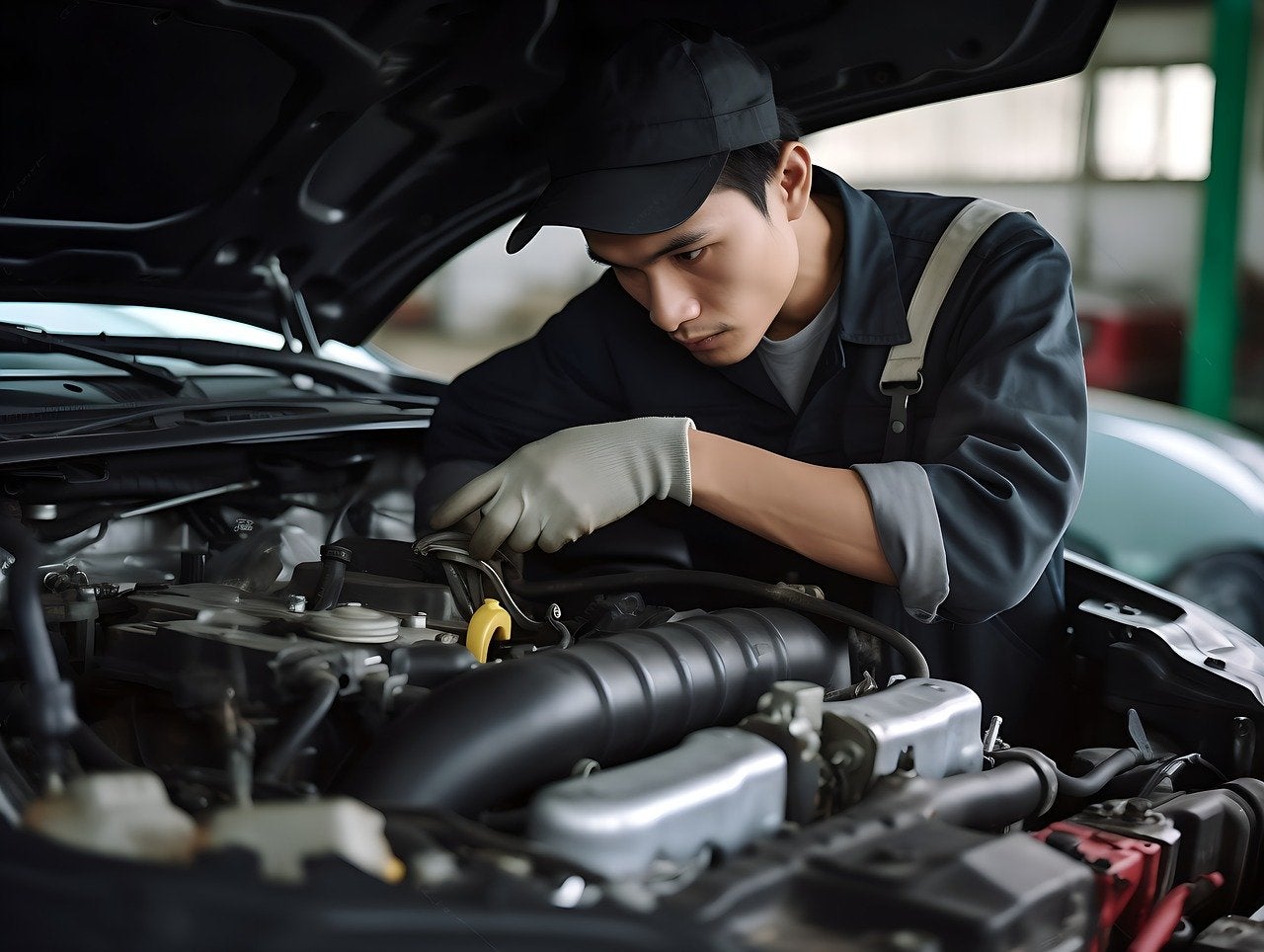
A mechanic working on a car

Three Car Maintenance Tips to Keep Your Lincoln in Top Shape

Your luxury Lincoln deserves some TLC if you want to protect the value of your vehicle. There are several car maintenance tasks you will need to keep up with. Some of these tasks can be completed at home, while others will need to be handled at your Lincoln dealer. more 1. Clean Your Car Monthly To protect your paint job, you should clean your Lincoln once a month at a minimum. Cleaning your car will preserve the coating on your paint, allow you to check for scratches, and reduce visible wear and tear. When you clean your car, you should use quality car shampoo, microfiber cloths, and protective wax. Cleaning the wheels and the inside of the car with the right products is also important. 2. Schedule Repairs Promptly If you notice performance issues, leaks, unusual sounds, burning odors, or other signs that your vehicle needs to be repaired, you should schedule a service appointment as soon as possible. Any of these noticeable signs can indicate that your vehicle is in serious condition. Some often overlooked warning signs can include ignition issues and dimming headlights. 3. Routinely Check Fluids and Tires As a car owner, it's also a good idea to check your fluid levels and tire air pressure regularly. These routine checks can be done at home by following a few simple steps. To check fluid levels, you should remove the dipstick from the reservoir and wipe the stick on a clean cloth to assess the color and quality of the fluid. You can schedule a service to replace fluid or top-up fluid with genuine Lincoln fluids at home. To check the air pressure in your tires, you can rely on the electric gauge to alert you when tire pressure is low, or you can use a tire air pressure tool that measures tire pressure. If your air pressure is low, you can drop by the dealership for a top-up. It's a good idea to check fluid and tire pressure on the same day every month. How Often Should You Schedule Service at Your Lincoln Dealer? If your vehicle doesn't have any obvious issues, such as a leak or a performance problem, then you can generally stick to your Lincoln's recommended service schedule. Most of the time, you will need to schedule routine maintenance at least twice a year for an oil change and other tune-up needs. Service milestones include 15,000-mile service, 30,000-mile service, 60,000-mile service, and 90,000-mile service. From DIY tasks like cleaning and fluid checks to major repair services, maintaining your Lincoln is easy when you make maintenance part of your monthly routine. To book a tune-up appointment, call Asheville Lincoln. Image via Pixabay
A car's speedometer

Problems that an Engine Diagnostic at Your Lincoln Dealer Can Reveal

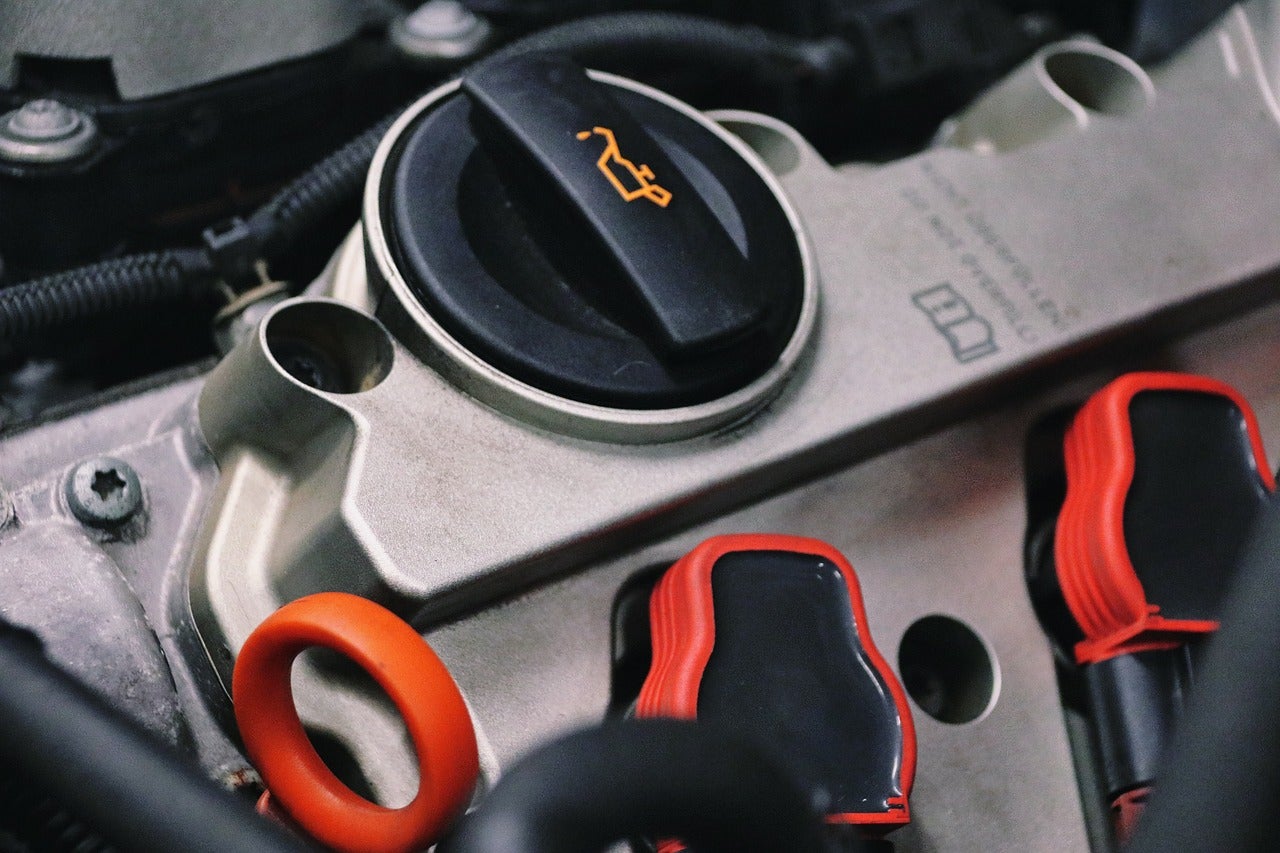
Your Lincoln's computer monitors all your car's systems and logs any potential problems detected by your vehicle's sensors. As your Lincoln dealer, we can check for any potential problems in your car using an engine diagnostic. This process involves connecting a specialized scanner to your computer that will identify any issues the computer has logged. These are a few problems it could reveal so we can fix them. more Catalytic Converter Problems The catalytic converter plays a vital role in your Lincoln, as it reduces airborne pollution. The combustion process produces a host of dangerous gases as byproducts, including carbon monoxide and hydrogen sulfide. The converter uses a combination of chemical relations, great heat, and extreme pressure to convert these toxins into harmless chemicals and water. Over time, carbon can build up in the converter and block it. This forces the combustion gases back into your engine, which increases its internal pressure. The increased pressure lowers engine performance and will cause long-term damage. If the scanner points to this problem, we will fix it by removing the converter, clearing the blockage, and reinstalling it. Oil Problems Oil is pumped through your engine and provides many benefits. It lubricates engine components, which helps to protect them against friction damage. The fast-moving oil also breaks down engine deposits to prevent blockages and prevents rust. Finally, the oil helps to cool hot components, which lowers your engine temperature. A failing oil pump or a low oil level will be detected by the sensors, which then inform your computer. The oil warning light on your dash will illuminate to show there's a problem, but a diagnostic test will reveal the exact problem. Our technicians will repair or replace the oil pump if that's the problem, or we'll identify the cause of the low oil level and fix it. Ignition Coil Problems The spark plugs are the ignition source for the fuel-air mixture in the cylinders. This mixture is compressed by the upward movement of the piston in the cylinder and then ignited to produce combustion. A spark plug can only produce 12 volts, which is insufficient to ignite the fuel-air mix. Each plug is connected to an ignition coil that generates 30,000 volts, which allows the mixture to ignite correctly. As time passes, an ignition coil can wear out or become damaged. If this happens, its connected spark plug won't receive the additional power it needs. This will cause a misfire, and misfiring can damage your engine. Our scanner will identify the faulty coil and we'll replace it to fix this problem. A diagnostic check-up can save you money and keep your Lincoln in great condition. Call us today at Asheville Lincoln. Image via Pixabay
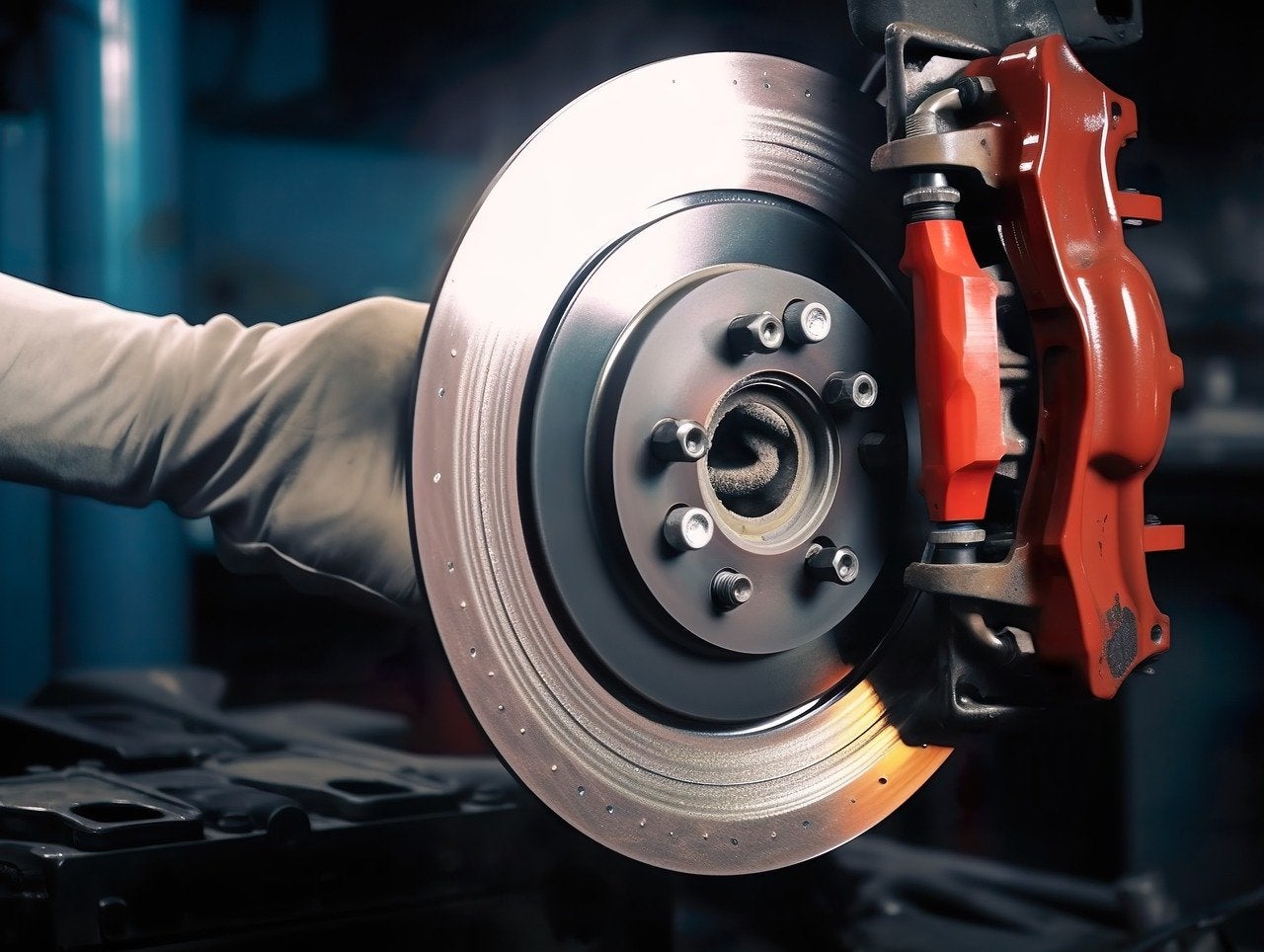
A mechanic working on a car wheel

3 Electrical Problems You Should Always Fix at Your Lincoln Dealership

Almost all your car's systems depend on electricity. An electrical system is complex and contains numerous systems, wires, switches, relays, and other components. If you experience any electrical problems, your Lincoln Dealership in Asheville, NC, can fix them for you. These are just a few of the problems our Lincoln-trained technicians can repair. more Weak Battery The battery is a vital electrical component since its main purpose is to provide the power to start your engine. When you press the start button or turn the key, an electrical charge is sent by the battery to the starter. The starter, in turn, cranks the engine and begins the combustion process. Electricity used by the battery is replenished by the alternator as soon as the engine is running. A car battery has a limited lifespan of three to five years. As the battery ages, its ability to recharge gradually decreases. This decrease is due to the breakdown of the chemicals inside the battery that allow it to work. A weak battery can mean delayed starting, and eventually, your engine won't start at all. Our technicians can test your battery, and install a new one if necessary. Damaged Spark Plugs A spark plug's job is to ignite the fuel-air mix in a cylinder at the correct moment to achieve combustion. The spark plugs are powered by the battery. Each spark plug is connected to an ignition coil, which supplies 30,000 volts and allows the plug to fire correctly and efficiently. A plug can wear out over time and will need replacement. Plugs can also fail due to a fuel-rich engine or if its connected ignition coil is damaged. A failed coil will prevent a spark plug from firing correctly and can cause it to burn out. A fuel-rich engine lacks air, and the lack of air makes sparking more difficult. The high fuel level will coat the plugs with sticky carbon, which can rapidly degrade the plugs and cause them to fail. Spark plug problems include stalling and misfiring. We will check your plugs and quickly install replacements if necessary. Wiring Problems Electricity is produced by the alternator and is supplied to every system and component by wiring. The wiring is protected by insulation, but the insulation can become damaged by other engine problems. Wires can also break due to age, and broken wiring cuts off the power supply to one or more components. Our technicians can trace the flow of electricity and identify any breakages so we can repair them. We can also replace damaged insulation and fix any other wiring problems. If you have a problem with the electrical system, call our service department right away at Asheville Lincoln. Image via Pixabay
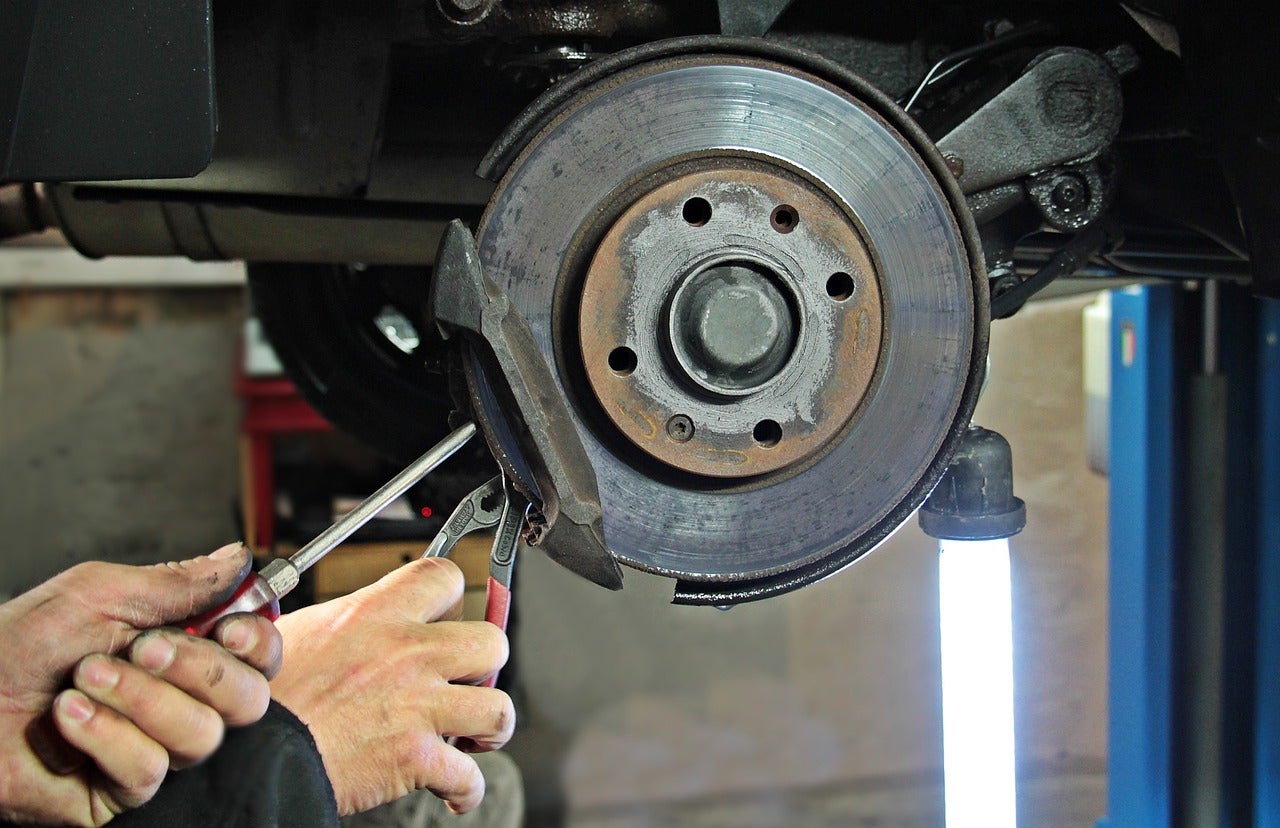
A mechanic working on a car wheel

Getting a Quality Collision Repair for Your Lincoln

If you're driving a Lincoln, you're accustomed to a certain level of comfort. But what happens when your luxurious ride meets with an unfortunate collision? Accidents happen, and when they do, it's essential to know how to navigate the process of getting your Lincoln back to its pristine condition. Heading to the Lincoln dealer for collision repair is a great way to get quality service during a difficult time. more Assess the Damage Take a moment to assess the damage to your vehicle. Whether it's a minor scratch or a major dent, understanding the extent of the damage will help you communicate more effectively with the repair technicians. Contact Your Insurance Company With your damage assessment in hand, it's time to call your insurance company. They'll provide you with information about your coverage and may even offer some guidance on the repair process. In many cases, they can coordinate with the dealership directly to handle claims, taking some of the stress off your shoulders. Choosing Your Lincoln Dealership for Collision Repair The dealership is always the best place to get repairs for your beloved Lincoln. Our technicians are specially trained to handle Lincoln vehicles and can provide the level of service your car requires. We have access to genuine OEM parts that match your vehicle's specifications, helping your car maintain its integrity and performance. If your Lincoln is still under warranty, getting repairs at the dealership is a great way to stay within its terms. The Repair Process Call the dealership and schedule a visit. Provide all the details of the collision and give your insurance information. Once your Lincoln arrives at the dealership, a technician will thoroughly inspect your vehicle to assess the damage and provide an estimate for the repair cost. After working with you and your insurance to approve the repairs, the technicians will complete the necessary tasks, from bodywork to painting. Post-Repair Inspection After repairs are complete, do a thorough inspection of your vehicle. Ensure that the repair work meets your expectations and that your Lincoln looks and drives as it should. If you have any concerns about your car or the repairs that were done, be sure to tell the technicians before you leave. Once you are happy with the work, you can take your pristine Lincoln home again. Dealing with a collision can be stressful, but getting your Lincoln repaired doesn't have to be. By taking your car to the experts at the dealership, you can rest assured that it's in capable hands. Your Lincoln is more than just a car; it's a statement of luxury and grace, and it deserves the highest standard of care to get back on the road in style. If you've been in a collision, call Asheville Lincoln to get your car looking beautiful again. Image via Pixabay

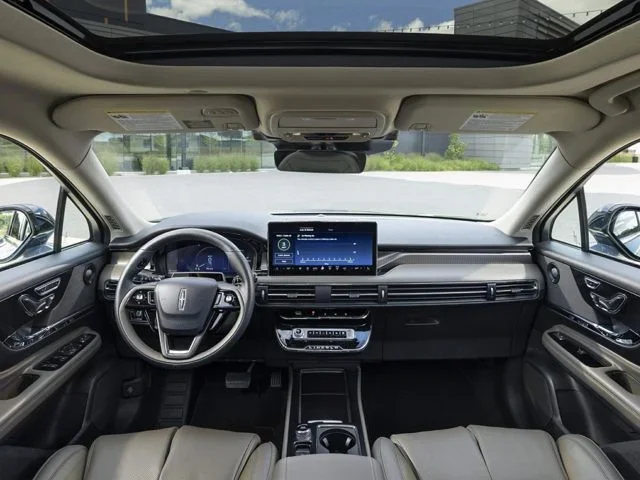
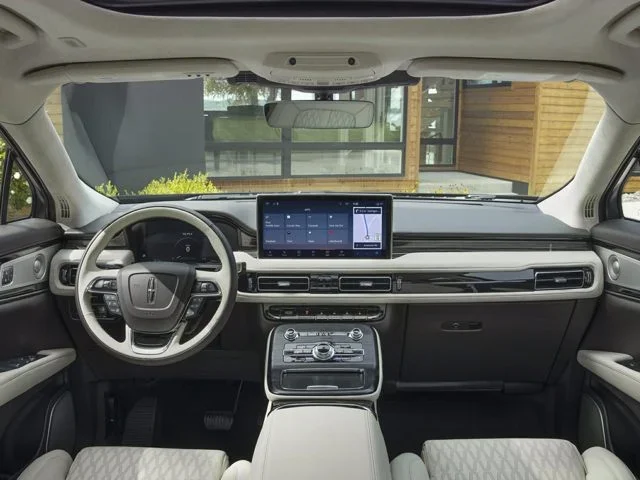
A dashboard of a Lincoln vehicle

4 Benefits of Using OEM Parts for Your Lincoln Repairs at Your Local Lincoln Dealer

OEM parts are made by the car's manufacturer, and they're of the highest quality and undergo a lot of quality testing to make sure they're safe and fully functional. You should always replace these parts with other original equipment manufacturer parts when you're getting a Lincoln repair. You'll find OEM replacement parts at the Lincoln dealer. more 1. They're Perfectly Compatible OEM components are designed to work perfectly with every other part that's already in the car. An OEM component will act exactly like the part it's replacing, and it won't cause any trouble. It also won't make any of the parts around it function worse. Generic parts aren't always perfectly compatible with the other parts already in your car. You might find that they cause trouble that your old part didn't, and they may even cause damage to surrounding components. 2. They're Long-Lasting Generic parts don't last as long as OEM ones because they're not manufactured to the same standards as OEM components. OEM components are made of the highest quality materials as we said already, and the most skilled people in the industry designed and made them so that they'll last for years without causing problems. Generic parts just don't have that same quality. The materials are usually cheaper, and they don't always fit perfectly in your car without adjustments. The imperfect fit can cause problems and make them wear down faster than OEM components would. 3. They're Easy to Replace OEM components are widely available. Dealers use them all the time for both major and minor repairs, and they can acquire them really easily. If you know what part you need, then you can even order it through a dealer's website, and you'll have it in no time. It's much harder to acquire high-quality and compatible generic components from trustworthy sellers. Furthermore, it's easy to find someone to fit an OEM component into your car. The dealer who provided it can have it fitted into the vehicle with no problems. 4. They're Under Warranty All Lincoln parts come with a two-year unlimited mileage warranty. You can't say the same about generic parts; usually, generic parts don't have a warranty at all. So, if something goes wrong with your replacement part, then you won't have to pay for the repair yourself if the issue occurs within the first two years. Come to Asheville Lincoln any time you need repairs on your car. We exclusively use OEM components to replace broken parts, and our technicians receive ongoing training to help them remain the best people to work on your Lincoln. Image via Lincoln

The interior parts of a car

How Often Should Your Lincoln Get an Oil Change?

Oil changes are a critical part of maintaining any vehicle, including your Lincoln, to allow it to run smoothly and efficiently. Knowing when to head to the Lincoln dealership to change the oil in your car can sometimes feel like a mystery, but it doesn't have to be. Here are some guidelines to follow for keeping your car's oil fresh. more Regular Oil Change Intervals For modern Lincoln vehicles, the recommended interval for changing the oil typically ranges from 5,000 to 7,500 miles. However, this is going to vary depending on your specific model, driving habits, and the type of oil you use. It's always best to consult your Lincoln's owner's manual for the manufacturer's recommendations. Signs You Need to Change the Oil Oil or Check Engine Light The most obvious sign is when your dashboard's oil light or check engine light comes on. Your vehicle's system is trying to let you know there's a problem and a check-up is in order. Dark and Dirty Oil Clean oil is an amber color and slightly translucent. As it gets used, it becomes darker due to the accumulation of particles from the engine. Checking your oil level using the dipstick will give you an idea of your oil's condition. If it's dark and gritty, it's time for a change. Engine Noise and Knocking Good engine oil provides a protective layer between engine parts. It prevents metal-to-metal contact and keeps the engine quiet. If your oil has broken down, your engine may start to make more noise and even become damaged. Oil Smell Inside the Car If you start to smell oil inside the cabin, it could indicate a leak, but it could also signal that your engine is overheating, burning off oil. Both scenarios warrant immediate attention. Exhaust Smoke Translucent vapor from the exhaust is normal, especially when it's cold. However, if the exhaust turns to smoke, it's another sign that oil might be leaking into the engine and burning. Trust Your Lincoln Dealership to Change Your Oil Not changing the oil in your car can lead to a whole host of problems, including engine damage, poor performance, decreased fuel efficiency, and overheating. Getting fresh oil from the dealership on a regular basis is a low-cost way to protect your Lincoln and keep it purring like a luxury vehicle should. By staying on top of this simple maintenance task, you can avoid larger, more expensive repairs down the line and ensure your Lincoln remains reliable for years to come. Keep an eye on the signs your car needs oil and get it the attention it needs right away. Schedule service at Asheville Lincoln to change your oil today! Image via Pixabay

A Lincoln Corsair parked outside

Time for New Headlights? Visit Your Lincoln Dealer

Hey, Lincoln drivers! Today we're shining a light on a crucial but often underappreciated part of our vehicle: the headlights. These trusty beams guide us through dark nights and gloomy weather, ensuring we reach our destinations safely. However, they can't last forever. So how can you tell that it's time to head to the Lincoln dealer for new headlights? Fortunately, there are a few signs to watch for. more Dimming Lights As our headlights start to dim, it can creep up on us. Over time, headlights can lose their intensity, compromising visibility during night drives or in foggy conditions. If your headlights have become dim enough for you to notice they aren't as bright as they once were, they might be reaching the end of their road. One Headlight Has Burned Out Driving with one headlight out is possible, but not ideal. Not only does it reduce how well you can see the road ahead of you, it also makes it harder for other drivers to see your vehicle. If one of your headlights has gone dark, it's time for a replacement. Flickering or Inconsistent Light If your headlights are flickering or not maintaining a consistent brightness, you might have dying bulbs, faulty wiring, or even an electrical issue. Regardless of what's causing it, inconsistent lighting can be a safety hazard and warrants a trip to the dealership. Cloudy or Discolored Headlight Covers The plastic covers over your headlights can become cloudy, yellowed, or discolored over time. This is due to exposure to sunlight and the elements. Damaged, discolored covers can significantly reduce the effectiveness of your headlights. If your headlights look like they've seen better days, a replacement might be in order. Headlight Warning Light Is On Modern Lincolns are equipped with a variety of warning lights to alert you when something needs attention, even your headlights. If the headlight warning light comes on, it means there is an issue with your lighting system that you should not ignore. Frequent Bulb Replacements If your headlights stop working only a little while after you had them replaced, there's probably something larger at play. It's possible that there is a problem with your car's electrical system that might be causing the bulbs to fail prematurely. A professional assessment can help you figure out what's going on and how to stop it from happening again. Ask Your Lincoln Dealer About New Headlights Headlights are a key safety feature for your vehicle, and you shouldn't wait until they're completely burned out to replace them. A quick trip to the dealership can allow the professionals to take a look at your headlights and help diagnose what's going on, so you always have a clear view of the road ahead. No matter what the cause, if you just can't see the road in the dark or poor weather, it's an issue that needs to be taken care of. If you're squinting more than usual during your nighttime drives, it might be time for a fresh set of headlights. Swing by Asheville Lincoln today and let the professionals light the way to brighter journeys ahead. Image via Lincoln

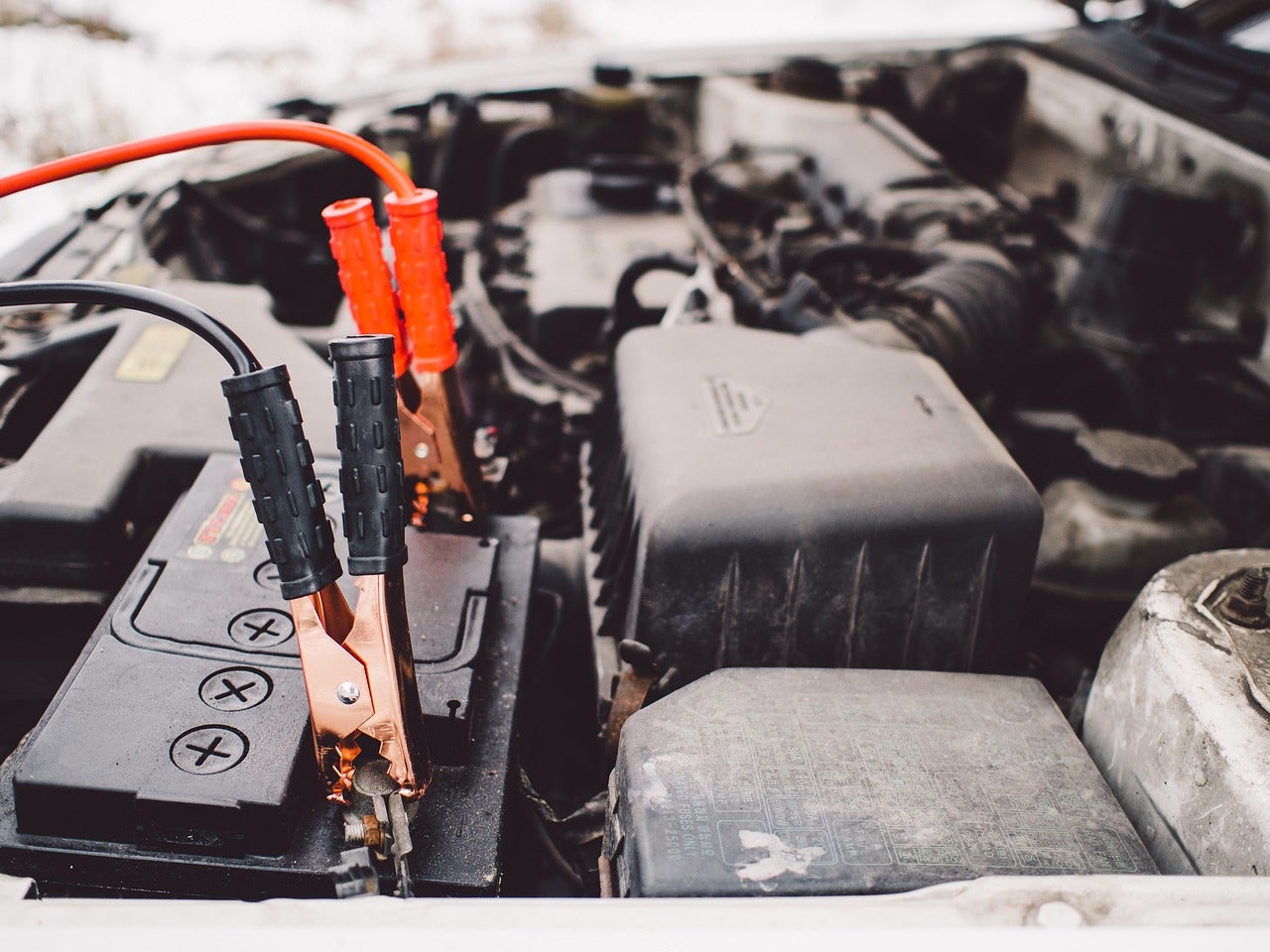
A car battery being repaired

Do You Need a New Car Battery From the Lincoln Dealership?

There's nothing more frustrating than finding that your vehicle won't start because of a dead battery. But battery maintenance doesn't have to be an emergency that strands you. If you pay close attention, you'll notice signs that it might be time to take your vehicle to the Lincoln dealership for a new car battery. more The Electrical Components on the Car Don't Seem As Bright The battery supplies power to the electrical components of your vehicle, so a dimming or slowing of certain functions is something to pay attention to. Your headlights may dim while the vehicle is idling and intensify again once you begin accelerating. Your dashboard and interior lights may flicker. You may also notice that power windows roll up and down more slowly when your engine is off. If you notice any of these symptoms, or if you see signs that the power supply is limited in other vehicular functions, it's time to have your battery inspected. The Engine Is Slow To Start Is your vehicle slow to start? Does the engine crank a few times before finally getting going? A slow start can be a sign of several issues, including a malfunctioning alternator and wiring issues. It can also be a sign that your battery is starting to fail. In addition to a slow start, hearing clicking when you turn the key to start the vehicle can also signal a battery issue. There Are Signs of Corrosion It's a good idea to look under the hood occasionally and take a look at the battery. It's normal for the connection points to accumulate some corrosion, which appears as a powdery white substance. But if you see a large amount of corrosion, you may want to schedule a service appointment for your vehicle. It may be as simple as cleaning and clearing that corrosion, but you'll want to ensure there isn't a more serious issue. A warped battery case and the sulfuric smell of rotten eggs when you pop the hood are also signs that your battery may be due for replacement. The Battery Is Old Batteries only last so long. The weather, your driving habits, the length of the trips you take, and even the kind of vehicle you drive can all determine how long your battery will last. But the average battery fails after four years, so you should start incorporating battery checks into your vehicle maintenance schedule after four years. No one wants to be stranded because of a dead battery. Fortunately, you can avoid this if you know what signs to look for. When it's time to schedule battery maintenance, call Asheville Lincoln. Image via Pixabay
A car's wheel parked on a pavement

5 Signs Your Lincoln Needs New Tires

The primary reason for replacing a car's tires is when the treads become too shallow. However, sometimes tires can also become weakened by dry rot or damaged by objects on the road. Let's take a closer look at when you should consider visiting your local Lincoln dealer for a set of new tires. more Diminished Treads Car tires require deep treads to grip tarmac and displace water which might otherwise cause hydroplaning. When brand new, tires typically have treads of around 10/32 of an inch. This steadily wears down, and by the time your tire treads reach 2/32 of an inch, it's time to purchase new ones. Some drivers replace their tires when the treads reach 4/32 or 5/32 of an inch, especially when the weather is cold and the roads are wet and icy. Deep Cuts or Cracks Objects on the road can sometimes cut into tire rubber. When a cut is particularly long or deep, it can threaten the structural integrity of the tire, putting you at risk of experiencing a blowout. Long or deep cracks pose a similar threat. Whereas cuts are more likely to occur in the treads, large cracks are more likely to appear in the sidewalls. Exposure to UV rays, excessive water, and chemicals from the road can dry out tire rubber, leading to the formation of cracks. At its worst, this drying-out process develops into dry rot, which usually spells the end for the tire. Blistering Rubber When curbs and potholes impact tires, inner layers of rubber can sometimes rupture or detach from each other. When this happens, you might see a large blister appear on the outside of the tire. Any such blistering usually means the tire has to go. Falling Air Pressure While periodically checking your tires, if you find that the air pressure is falling at a surprising rate, that tire may not be fit to drive on. Have a technician inspect it for hidden punctures, which might be repairable. Uneven Treads The uneven pressure put on the front or rear tires by the steering, accelerating, braking, and weight distribution gradually wears the treads down unevenly over time. Tire rotation usually prevents tires from becoming too uneven in size, but if you forget to have your tires rotated and they become excessively uneven, you may need to replace the entire set of four. Have Your Tires Rotated at Your Local Lincoln Dealer Regular tire rotation is one of the most important car maintenance procedures to have carried out. It also gives the technician an opportunity to inspect the tires closely for signs of damage. For most drivers, it's recommended to have their tires rotated every six months or so. Have your car's tires checked, rotated, or replaced today by experienced professionals at Asheville Lincoln. We offer a broad range of top-notch luxury vehicles and equally high-end customer service. Image via Pixabay

The dashboard of a Lincoln vehicle

Does Your Lincoln Need a New Catalytic Converter From Your Lincoln Dealer?

A catalytic converter is part of your Lincoln's exhaust system and is crucial in converting harmful emissions into cleaner and safer exhaust gases. When it fails or breaks, it affects your vehicle's performance and results in poor gas mileage. If you own a Corsair, Aviator, or Nautilus, below are signs that indicate when you need a new converter from your Lincoln dealer. more The Check Engine Light Goes On The exhaust gases won't be adequately catalyzed if the converter fails. The oxygen sensors constantly monitor the converter and exhaust gas levels and will trigger the check engine light if something is wrong. It's vital to schedule a service appointment immediately when the check engine light is illuminated to prevent further damage. Your Car Is Slow To Accelerate When your converter starts to fail, one of the initial symptoms you'll notice is a lack of power when you accelerate. A buildup of carbon inside the honeycomb mesh or the mesh melting due to excessive heat from unburned fuel causes a blockage. Your car's engine requires appropriate exhaust flow, and when the flow is restricted, it will be challenging to accelerate, particularly when going uphill or towing a load. Your Car's Heavy on Gas If your converter is malfunctioning, it can cause a restriction in the exhaust flow, making your vehicle feel sluggish when accelerating. To compensate for the lack of power, you may press the gas pedal harder, which will cause the engine to inject more fuel into the cylinders. This, in turn, will result in your car burning more gas than usual. You Hear Rattling From Under Your Car If you hear rattling noises from under your car when you start it or while it's idling, it might be a sign that your converter is old or damaged. It's vital to replace the converter as soon as possible to avoid chunks of deteriorating material from getting into the muffler, which could lead to starting problems and stalling. You Smell Sulfur If you notice a strong odor similar to rotten eggs, it could indicate that your converter is not doing its job correctly. Gas has tiny amounts of sulfur that turn into hydrogen sulfide during the combustion process. The converter is meant to transform this unpleasant-smelling hydrogen sulfide into sulfur dioxide, which is odorless. If the converter is not functioning correctly, it will not alter the hydrogen sulfide, and the unburnt fuel in the exhaust will produce a sulfurous odor that smells like rotten eggs. It's important to note that a converter typically has a lifespan of about 100,000 miles or ten years. However, to reduce the risk of the converter breaking and prolong its lifespan, you must take your car for regular maintenance to your dealer. If your converter is not doing its job, call Asheville Lincoln today to schedule a service appointment, and the certified technicians will replace your converter expertly to ensure your Lincoln performs at its best. Image via Lincoln

A car being repaired by a mechanic

3 Engine Problems You Should Always Fix at Your Lincoln Dealer

Engine problems can, unfortunately, even happen to a Lincoln. The most common cause of these problems is a lack of regular servicing. Parts will wear out over time, and components will need to be checked and replaced regularly to keep your engine working perfectly. As your Lincoln dealer, we can fix any potential problem for you. These are a few of the issues we can repair. more Clogged Air Filter The air filter sits in a special box just inside the radiator grille. Its job is to filter air before it reaches the engine. Air can contain dirt, dust, and other substances that can damage sensitive engine components. The filter traps these substances and allows only clean air into your engine. Eventually, the filter will become clogged with dirt, and this will cause serious problems. If air can't enter the engine, combustion will become more difficult. Your engine requires 14x more air than fuel for efficient combustion. The lack of air means too much fuel will be used in the cylinders. This wastes gas and the fuel-rich environment that results will damage other components like the spark plugs, ignition coils, or your catalytic converter. We can replace your filter in minutes to solve this problem. Blocked Converter The catalytic converter's job is to remove polluting substances from the combustion residue. A fuel-air mixture is ignited in the cylinders to produce combustion. Once a cylinder's contents have ignited, the cylinder opens and dumps the residue into the exhaust system. Combustion residue contains dangerous chemicals like carbon monoxide. The converter uses extreme pressure, chemical reactions, and high temperatures to convert the residue into harmless chemicals. Carbon is a byproduct of this process and can build up in the converter. Eventually, carbon can block the converter, which forces engine gases back into your engine. The presence of these gases can cause your engine to stall. We can clean the converter to remove the blockage to fix this problem. Damaged Sensors Since the 1980s, every car has a computer inside it. This computer controls your engine processes and allows your Lincoln to operate more effectively and efficiently. Sensors are the eyes and ears of the computer, and a sensor is attached to every vital component. The sensors continually supply information to your computer to allow it to make essential decisions. Sensors can fail for several reasons, including age and damage from other engine components. A failed sensor won't supply your computer with the information it requires, and this can result in engine inefficiency or damage. Our technicians will test the sensors, and we'll replace any damaged ones we find. If you have a problem with your engine, visit us today at Asheville Lincoln. Image via Pixabay
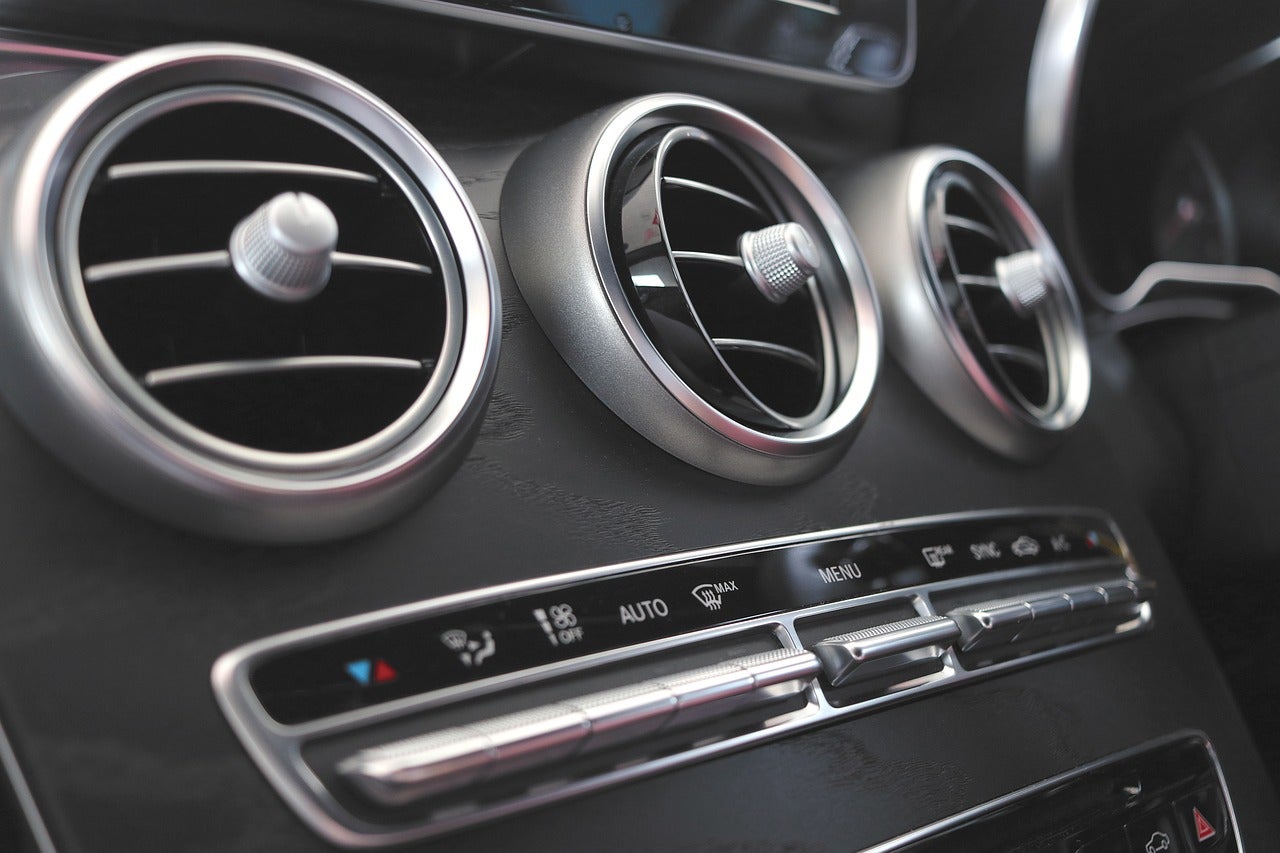
A car's AC unit in the front

Car AC Not Working? Visit Your Local Lincoln Dealer Today

Without proper cooling, driving can be a hot and bothersome affair. While the coolant keeps your engine temperatures low, the air-con keeps you and your passengers from overheating too. If you find your car AC not working one sweltering summer's day, your AC may be experiencing one of the following problems. You can have it promptly repaired at your nearest Lincoln dealership. more Only Warm Air Is Blowing When the air blowing out of an AC vent refuses to cool down, you may have a refrigerant leak. Refrigerant is the substance that flows around the AC system, changing from gas to liquid form and back again, generating cold air in the process. If the refrigerant ever leaks, the cooling process can't happen and the air will blow warm. Alternatively, a variety of other faults can cause the cooling system to fail, including a clogged metering device, a malfunctioning temperature blend door actuator, or some other kind of restriction inside the system. A skilled technician will probably be needed to diagnose and repair the problem. Leaking Greasy Substance If you notice a greasy, transparent substance coating any of the AC's hoses or lines, your refrigerant may be leaking. It's often difficult to spot a refrigerant leak, but a technician can inject a special dye into the system to highlight the source of the leak. Restricted or Halted Airflow If the air-con's air is blowing weakly or not blowing at all, you may have a fault with the blower motor, blower motor switch, or blower motor resistor. This is often a relatively easy issue to diagnose and repair. Strange Noises from Your AC Some AC issues create strange sounds inside and even outside your car. Clicking, squealing, rattling, or grinding might indicate debris trapped in the vents or fans. Odd noises may also result from a damaged AC belt, a loosened belt tensioner, a compressor problem, or something else. Bad Smells Coming Into the Cabin Mold, fungi, and other bacterial growth can sometimes build up because of the moisture that tends to accumulate inside a car's AC system. This problem is especially likely when the AC is disused for months on end over winter. If you have bacterial growth in your AC, you're likely to smell an unpleasant moldy smell whenever you switch your AC on. Malfunctioning Compressor Clutch The slight click you hear when you turn on the AC is the compressor clutch engaging. If this compressor clutch fails to engage one day, the refrigerant may be too low, perhaps because of a leak. Otherwise, the clutch itself may be worn out or broken, preventing it from accessing the engine's power to run your AC. Have your AC repaired today by qualified technicians at Asheville Lincoln. We're a welcoming one-stop shop for all things Lincoln, providing exceptional customer service and premium new and pre-owned Lincoln vehicles. Image via Pixabay

Contact Us

Fill out this form below and we'll contact you shortly
*Required Fields