
Blog / Asheville Lincoln Service

3 Engine Problems You Should Always Fix at Your Lincoln Dealer

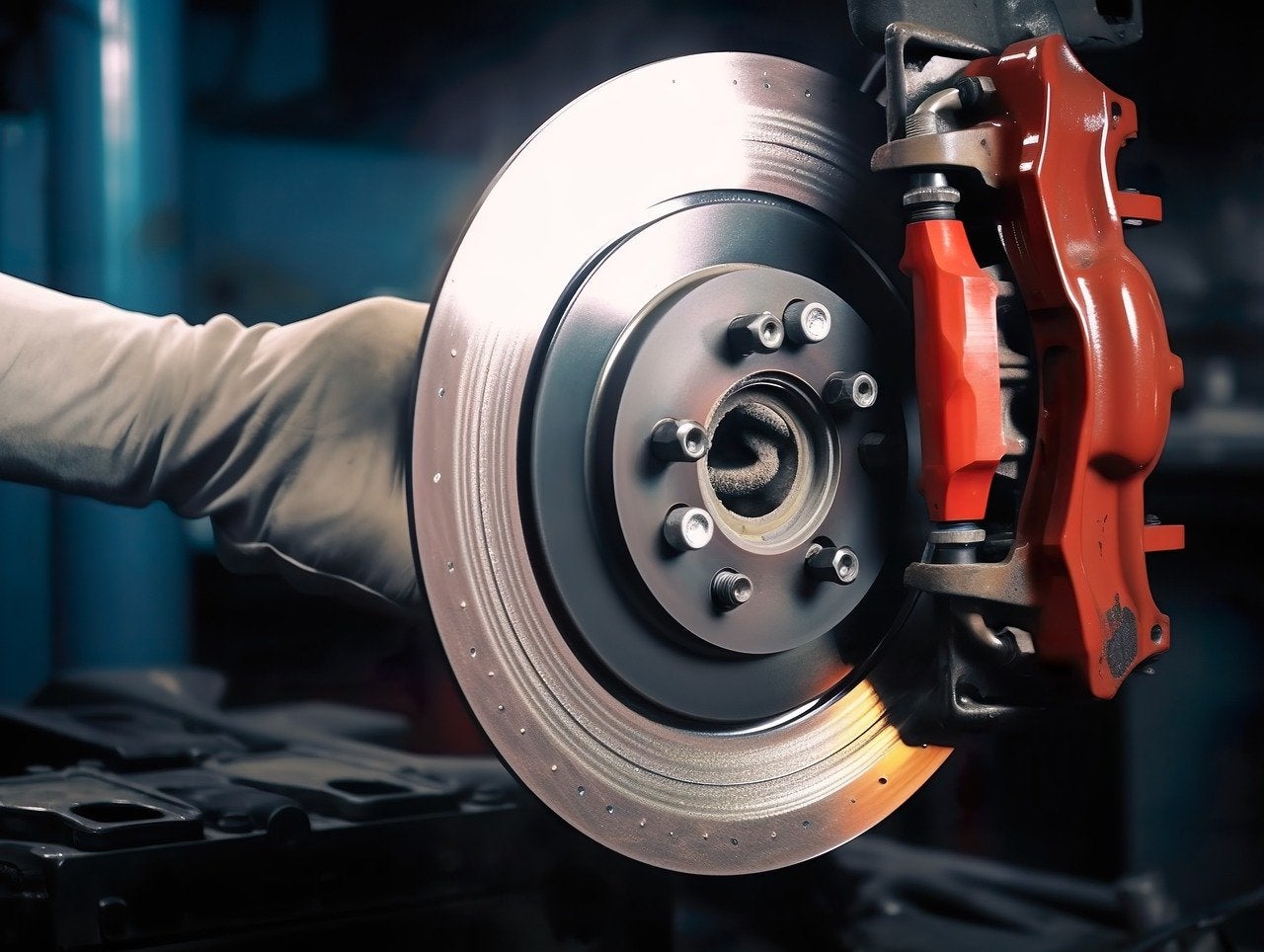
A car being repaired by a mechanic

Engine problems can, unfortunately, even happen to a Lincoln. The most common cause of these problems is a lack of regular servicing. Parts will wear out over time, and components will need to be checked and replaced regularly to keep your engine working perfectly. As your Lincoln dealer, we can fix any potential problem for you. These are a few of the issues we can repair.

Clogged Air Filter

The air filter sits in a special box just inside the radiator grille. Its job is to filter air before it reaches the engine. Air can contain dirt, dust, and other substances that can damage sensitive engine components. The filter traps these substances and allows only clean air into your engine. Eventually, the filter will become clogged with dirt, and this will cause serious problems.

If air can't enter the engine, combustion will become more difficult. Your engine requires 14x more air than fuel for efficient combustion. The lack of air means too much fuel will be used in the cylinders. This wastes gas and the fuel-rich environment that results will damage other components like the spark plugs, ignition coils, or your catalytic converter. We can replace your filter in minutes to solve this problem.

Blocked Converter

The catalytic converter's job is to remove polluting substances from the combustion residue. A fuel-air mixture is ignited in the cylinders to produce combustion. Once a cylinder's contents have ignited, the cylinder opens and dumps the residue into the exhaust system. Combustion residue contains dangerous chemicals like carbon monoxide.

The converter uses extreme pressure, chemical reactions, and high temperatures to convert the residue into harmless chemicals. Carbon is a byproduct of this process and can build up in the converter. Eventually, carbon can block the converter, which forces engine gases back into your engine. The presence of these gases can cause your engine to stall. We can clean the converter to remove the blockage to fix this problem.

Damaged Sensors

Since the 1980s, every car has a computer inside it. This computer controls your engine processes and allows your Lincoln to operate more effectively and efficiently. Sensors are the eyes and ears of the computer, and a sensor is attached to every vital component. The sensors continually supply information to your computer to allow it to make essential decisions.

Sensors can fail for several reasons, including age and damage from other engine components. A failed sensor won't supply your computer with the information it requires, and this can result in engine inefficiency or damage. Our technicians will test the sensors, and we'll replace any damaged ones we find.

If you have a problem with your engine, visit us today at Asheville Lincoln.

Image via Pixabay

Posted in:

Related Posts

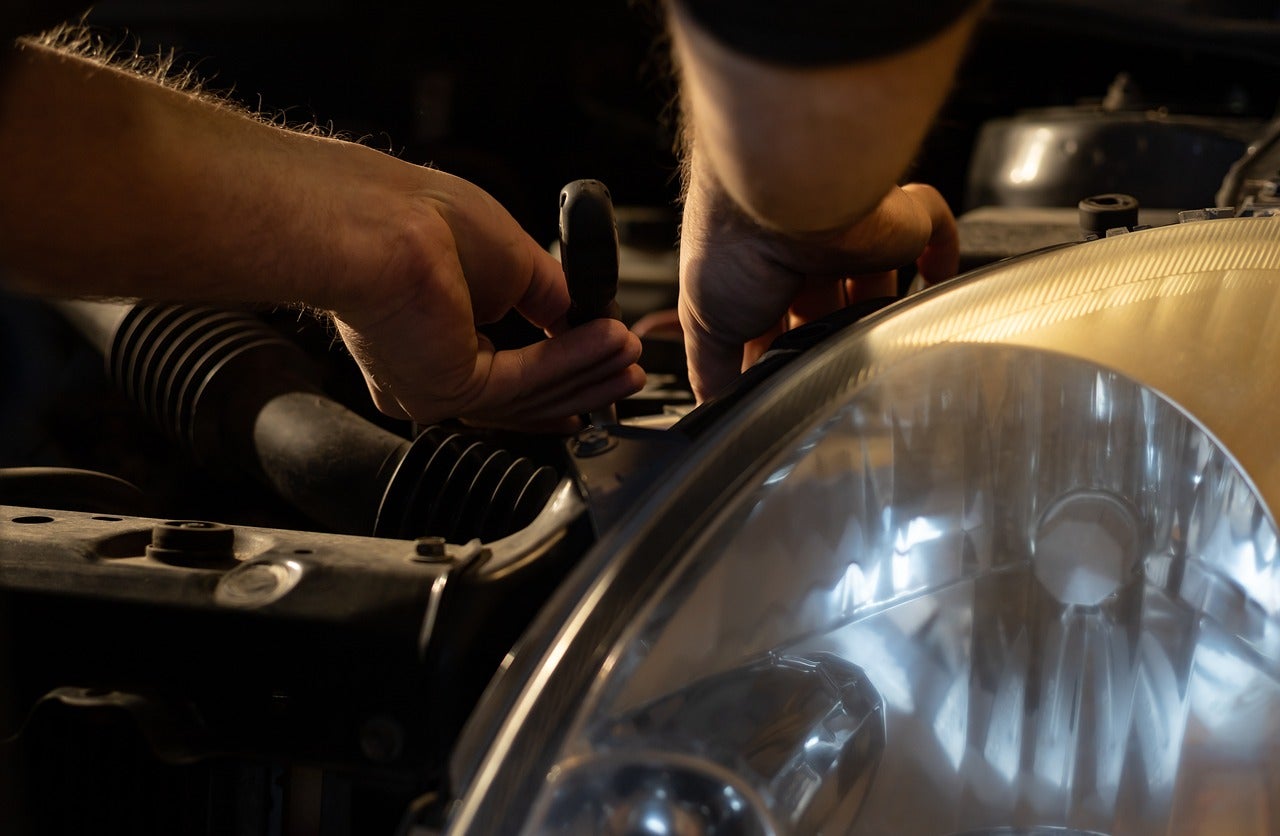
A mechanic working on a car

Three Car Maintenance Tips to Keep Your Lincoln in Top Shape

Your luxury Lincoln deserves some TLC if you want to protect the value of your vehicle. There are several car maintenance tasks you will need to keep up with. Some of these tasks can be completed at home, while others will need to be handled at your Lincoln dealer. more 1. Clean Your Car Monthly To protect your paint job, you should clean your Lincoln once a month at a minimum. Cleaning your car will preserve the coating on your paint, allow you to check for scratches, and reduce visible wear and tear. When you clean your car, you should use quality car shampoo, microfiber cloths, and protective wax. Cleaning the wheels and the inside of the car with the right products is also important. 2. Schedule Repairs Promptly If you notice performance issues, leaks, unusual sounds, burning odors, or other signs that your vehicle needs to be repaired, you should schedule a service appointment as soon as possible. Any of these noticeable signs can indicate that your vehicle is in serious condition. Some often overlooked warning signs can include ignition issues and dimming headlights. 3. Routinely Check Fluids and Tires As a car owner, it's also a good idea to check your fluid levels and tire air pressure regularly. These routine checks can be done at home by following a few simple steps. To check fluid levels, you should remove the dipstick from the reservoir and wipe the stick on a clean cloth to assess the color and quality of the fluid. You can schedule a service to replace fluid or top-up fluid with genuine Lincoln fluids at home. To check the air pressure in your tires, you can rely on the electric gauge to alert you when tire pressure is low, or you can use a tire air pressure tool that measures tire pressure. If your air pressure is low, you can drop by the dealership for a top-up. It's a good idea to check fluid and tire pressure on the same day every month. How Often Should You Schedule Service at Your Lincoln Dealer? If your vehicle doesn't have any obvious issues, such as a leak or a performance problem, then you can generally stick to your Lincoln's recommended service schedule. Most of the time, you will need to schedule routine maintenance at least twice a year for an oil change and other tune-up needs. Service milestones include 15,000-mile service, 30,000-mile service, 60,000-mile service, and 90,000-mile service. From DIY tasks like cleaning and fluid checks to major repair services, maintaining your Lincoln is easy when you make maintenance part of your monthly routine. To book a tune-up appointment, call Asheville Lincoln. Image via Pixabay

A car's speedometer

Problems that an Engine Diagnostic at Your Lincoln Dealer Can Reveal

Your Lincoln's computer monitors all your car's systems and logs any potential problems detected by your vehicle's sensors. As your Lincoln dealer, we can check for any potential problems in your car using an engine diagnostic. This process involves connecting a specialized scanner to your computer that will identify any issues the computer has logged. These are a few problems it could reveal so we can fix them. more Catalytic Converter Problems The catalytic converter plays a vital role in your Lincoln, as it reduces airborne pollution. The combustion process produces a host of dangerous gases as byproducts, including carbon monoxide and hydrogen sulfide. The converter uses a combination of chemical relations, great heat, and extreme pressure to convert these toxins into harmless chemicals and water. Over time, carbon can build up in the converter and block it. This forces the combustion gases back into your engine, which increases its internal pressure. The increased pressure lowers engine performance and will cause long-term damage. If the scanner points to this problem, we will fix it by removing the converter, clearing the blockage, and reinstalling it. Oil Problems Oil is pumped through your engine and provides many benefits. It lubricates engine components, which helps to protect them against friction damage. The fast-moving oil also breaks down engine deposits to prevent blockages and prevents rust. Finally, the oil helps to cool hot components, which lowers your engine temperature. A failing oil pump or a low oil level will be detected by the sensors, which then inform your computer. The oil warning light on your dash will illuminate to show there's a problem, but a diagnostic test will reveal the exact problem. Our technicians will repair or replace the oil pump if that's the problem, or we'll identify the cause of the low oil level and fix it. Ignition Coil Problems The spark plugs are the ignition source for the fuel-air mixture in the cylinders. This mixture is compressed by the upward movement of the piston in the cylinder and then ignited to produce combustion. A spark plug can only produce 12 volts, which is insufficient to ignite the fuel-air mix. Each plug is connected to an ignition coil that generates 30,000 volts, which allows the mixture to ignite correctly. As time passes, an ignition coil can wear out or become damaged. If this happens, its connected spark plug won't receive the additional power it needs. This will cause a misfire, and misfiring can damage your engine. Our scanner will identify the faulty coil and we'll replace it to fix this problem. A diagnostic check-up can save you money and keep your Lincoln in great condition. Call us today at Asheville Lincoln. Image via Pixabay
A mechanic working on a car wheel

3 Electrical Problems You Should Always Fix at Your Lincoln Dealership

Almost all your car's systems depend on electricity. An electrical system is complex and contains numerous systems, wires, switches, relays, and other components. If you experience any electrical problems, your Lincoln Dealership in Asheville, NC, can fix them for you. These are just a few of the problems our Lincoln-trained technicians can repair. more Weak Battery The battery is a vital electrical component since its main purpose is to provide the power to start your engine. When you press the start button or turn the key, an electrical charge is sent by the battery to the starter. The starter, in turn, cranks the engine and begins the combustion process. Electricity used by the battery is replenished by the alternator as soon as the engine is running. A car battery has a limited lifespan of three to five years. As the battery ages, its ability to recharge gradually decreases. This decrease is due to the breakdown of the chemicals inside the battery that allow it to work. A weak battery can mean delayed starting, and eventually, your engine won't start at all. Our technicians can test your battery, and install a new one if necessary. Damaged Spark Plugs A spark plug's job is to ignite the fuel-air mix in a cylinder at the correct moment to achieve combustion. The spark plugs are powered by the battery. Each spark plug is connected to an ignition coil, which supplies 30,000 volts and allows the plug to fire correctly and efficiently. A plug can wear out over time and will need replacement. Plugs can also fail due to a fuel-rich engine or if its connected ignition coil is damaged. A failed coil will prevent a spark plug from firing correctly and can cause it to burn out. A fuel-rich engine lacks air, and the lack of air makes sparking more difficult. The high fuel level will coat the plugs with sticky carbon, which can rapidly degrade the plugs and cause them to fail. Spark plug problems include stalling and misfiring. We will check your plugs and quickly install replacements if necessary. Wiring Problems Electricity is produced by the alternator and is supplied to every system and component by wiring. The wiring is protected by insulation, but the insulation can become damaged by other engine problems. Wires can also break due to age, and broken wiring cuts off the power supply to one or more components. Our technicians can trace the flow of electricity and identify any breakages so we can repair them. We can also replace damaged insulation and fix any other wiring problems. If you have a problem with the electrical system, call our service department right away at Asheville Lincoln. Image via Pixabay