
Blog / Asheville Lincoln Service

Blog

All Asheville Lincoln Service Asheville, NC Asheville Lincoln Dealer
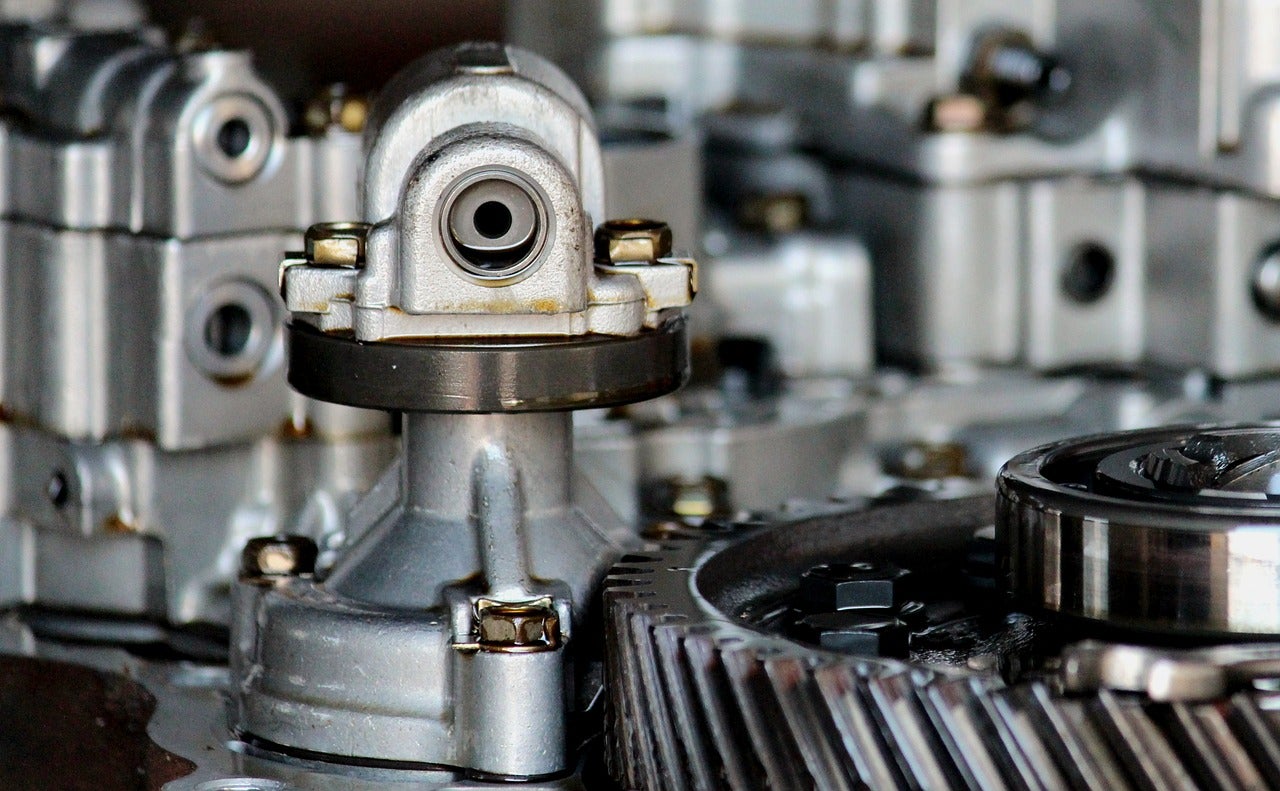
The inisde of a car

Advice From Your Lincoln Dealer: How to Tell When Your Lincoln Needs a Radiator Repair

Your Lincoln engine generates a lot of heat while running. The radiator's job is to keep the engine cool and prevent overheating. When the radiator is not functioning properly, it could lead to extensive engine damage. To avoid expensive repairs, watch out for the following signs from your Lincoln dealer that indicate your Navigator, Aviator, or Nautilus needs a radiator repair. more Overheating It's important to keep an eye on your Lincoln's temperature gauge. During the summer months, when the weather is hot and your air conditioner is running, it's normal for the temperature to rise a bit. However, if you notice that the gauge consistently shows a high reading, there might be a problem with your radiator. Call us for repairs to avoid damage to your engine. Contaminated Coolant Coolant comes in various bright colors, from green and pink to orange and blue. Typically, coolant is thin and can easily flow through the cooling system. As the coolant becomes contaminated, it turns brown and thick and will no longer keep your engine cool. The dirty and sludgy coolant can clog the radiator and cause overheating. If the coolant is old and appears thick and dirty, one of our technicians will perform a coolant replacement to protect your engine. Coolant Leaks If you notice any drops of brightly colored liquid on the ground under your car, it's a sign of coolant leakage. Even the smallest puddle of coolant where you parked your vehicle could lead to overheating. To avoid further damage, check your coolant level, top it off, and call us immediately to repair the leak. Rust Rust can be a major issue that requires immediate attention. Rust can cause holes to form, which may lead to leaks. Brownish coolant can be a sign of rust contaminating the coolant, which can cause the engine to overheat. Contaminated coolant can harm your radiator. It's critical to address the problem quickly to prevent further damage and expensive repairs. Clogged or Damaged Radiator Fins The radiator contains thin tubes that carry hot coolant. When air blows over the tubes, it cools down the coolant before it flows back to the engine. If the fins get clogged with road dirt and debris or get damaged or bent, it restricts the airflow to lower the temperature of the coolant, causing the engine to overheat. Smoke or Steam If you notice steam or smoke billowing out from under the hood, your engine is overheating. It's best not to keep driving when the engine is overheating. Safely pull over, turn off the engine, and call us for assistance while you wait for your car to cool down. If your Lincoln shows any of the symptoms mentioned above, take swift action to prevent further damage and avoid high repair costs and replacements. Call Asheville Lincoln today, and we will repair your radiator expertly and get you back on the road in no time. Image via Pixabay
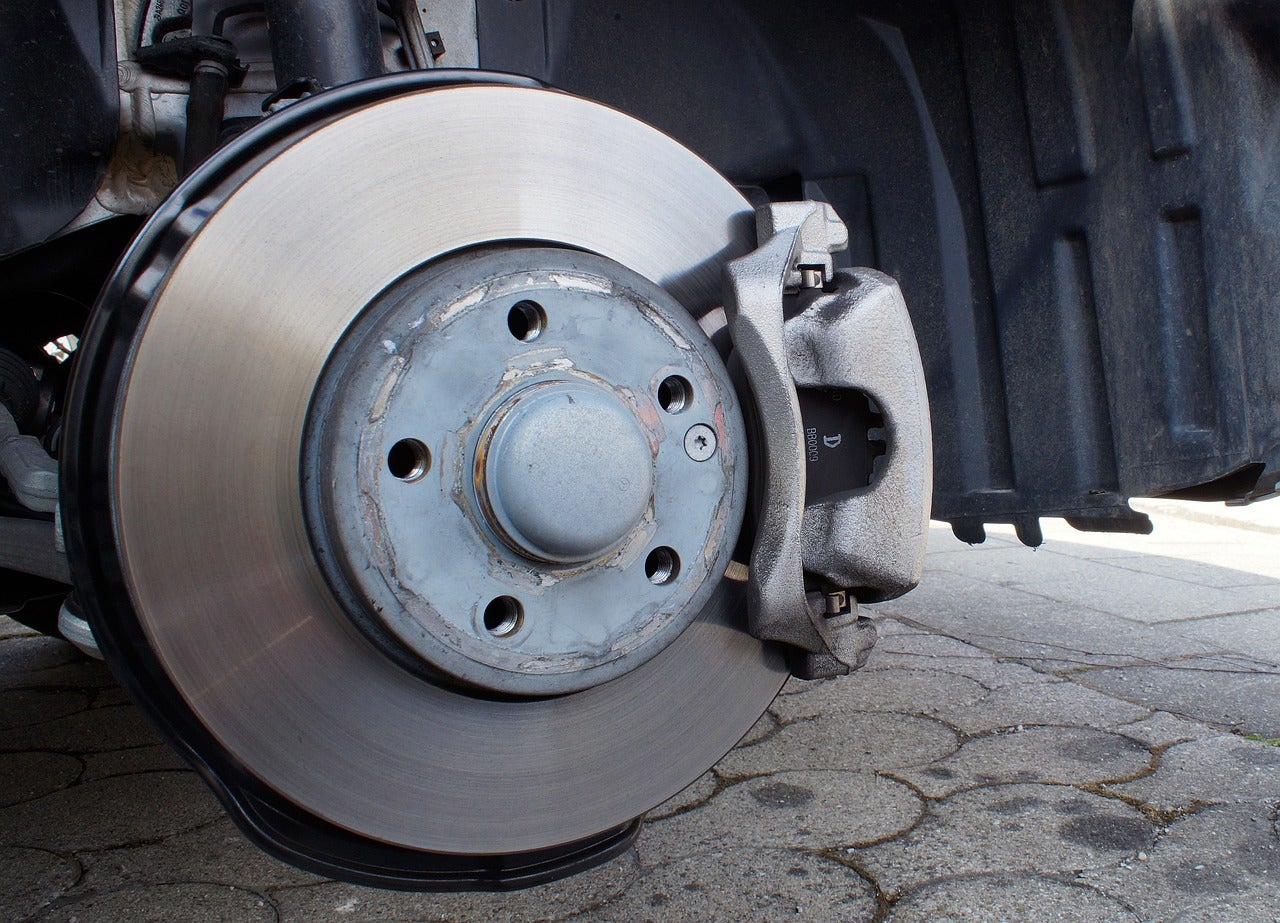
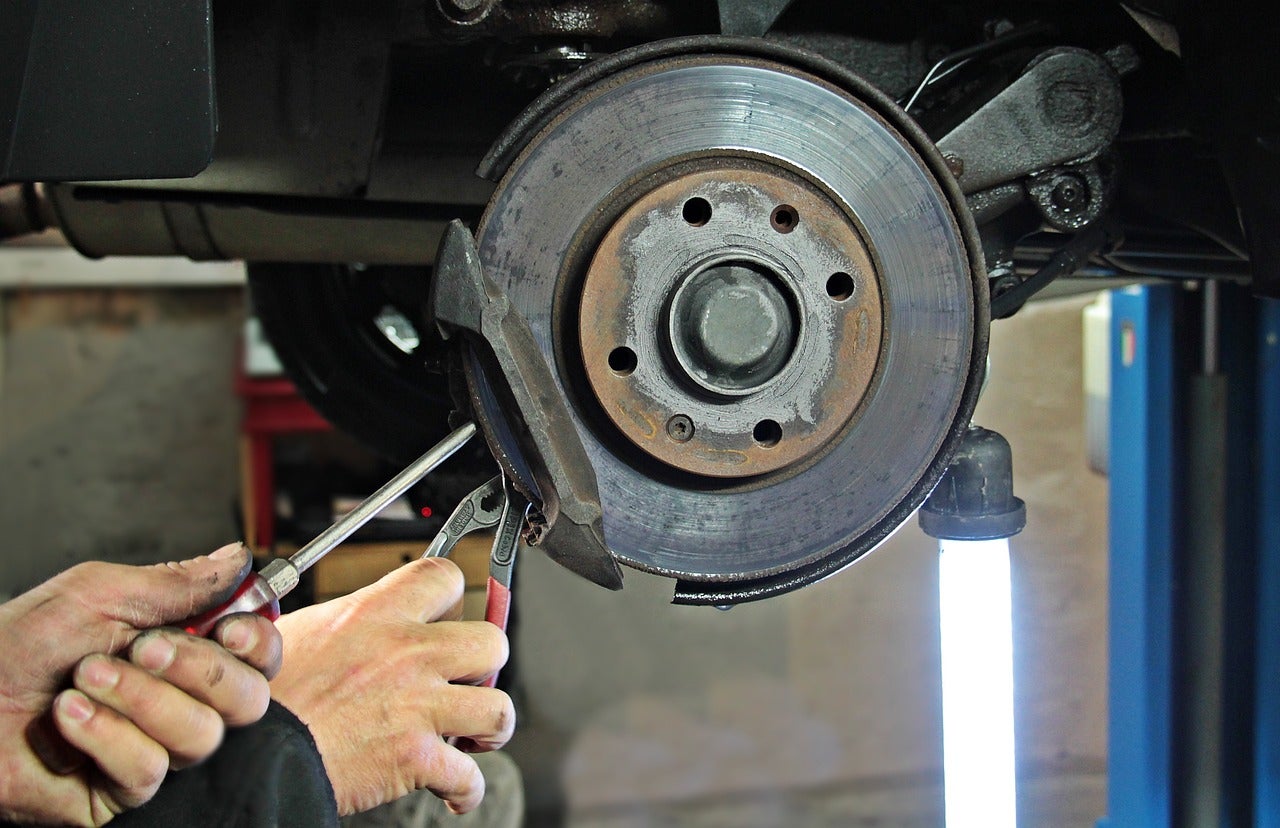
A car's brake system in the wheel

Signs You Need Brake Repair from Your Lincoln Dealer

The braking system of your Lincoln is a fundamental safety feature, and to ensure you and your passengers stay safe, it's vital to recognize the signs that your Lincoln may need a brake repair. Make sure you're familiar with common signs of brake problems, so you know when to head to the Lincoln dealer for proactive help that will keep little issues from becoming big problems. more Unusual Sounds Squealing or screeching noises often indicate worn brake pads, and this is the most common sign you'll have. A grinding sound might suggest the brake pads are completely worn down, potentially damaging the brake rotors. Sometimes squealing is just due to dirty brake pads from driving in grimy conditions, especially if you know you had the brake pads replaced recently. A quick cleaning of the brakes by your dealer can fix things up: a cheap fix. But brakes are so important, it's always worth checking out. Vibrations or Pulsations If you feel a vibration or pulsation in the brake pedal when you apply the brakes, it may suggest an issue with the brake system. Warped rotors, often caused by severe or prolonged braking, can lead to these symptoms. Brake Warning Light You have a brake warning light on the dashboard, and if it illuminates, it's a clear signal that your vehicle's braking system needs to be inspected. The issue could be as simple as low brake fluid or as serious as a failure in the brake's hydraulic system. Reduced Responsiveness or Brake Fade If your Lincoln's brakes are less responsive than usual, or if the pedal "sinks" toward the floor, this could indicate a brake fluid leak. Brake fade, a reduction in braking power after repeated heavy braking, could also suggest your vehicle needs a brake system inspection. Car Pulls to One Side If your Lincoln pulls to one side when you apply the brakes, it could point to a brake problem. This issue could be due to worn brake linings, a stuck brake caliper, or brake fluid contamination. Burning Smell While Driving If you've been repeatedly hard braking and you notice a chemical smell, stop to let your brakes cool off. If the smell persists, get service. That smell is a sign of an overheated clutch or brakes. Overheating can decrease your brake's effectiveness and increase stopping distances. Spongy or Soft Brake Pedal A brake pedal that feels spongy or softer than usual could be an indication of an issue with the hydraulic system, such as air in the brake lines, an issue with the master cylinder, or a brake fluid leak. Experience top-notch service for your Lincoln at Asheville Lincoln. Our certified experts are ready to assist with your brake repair needs. If you've noticed any of these signs, contact us immediately to schedule your next service appointment. Image via Pixabay

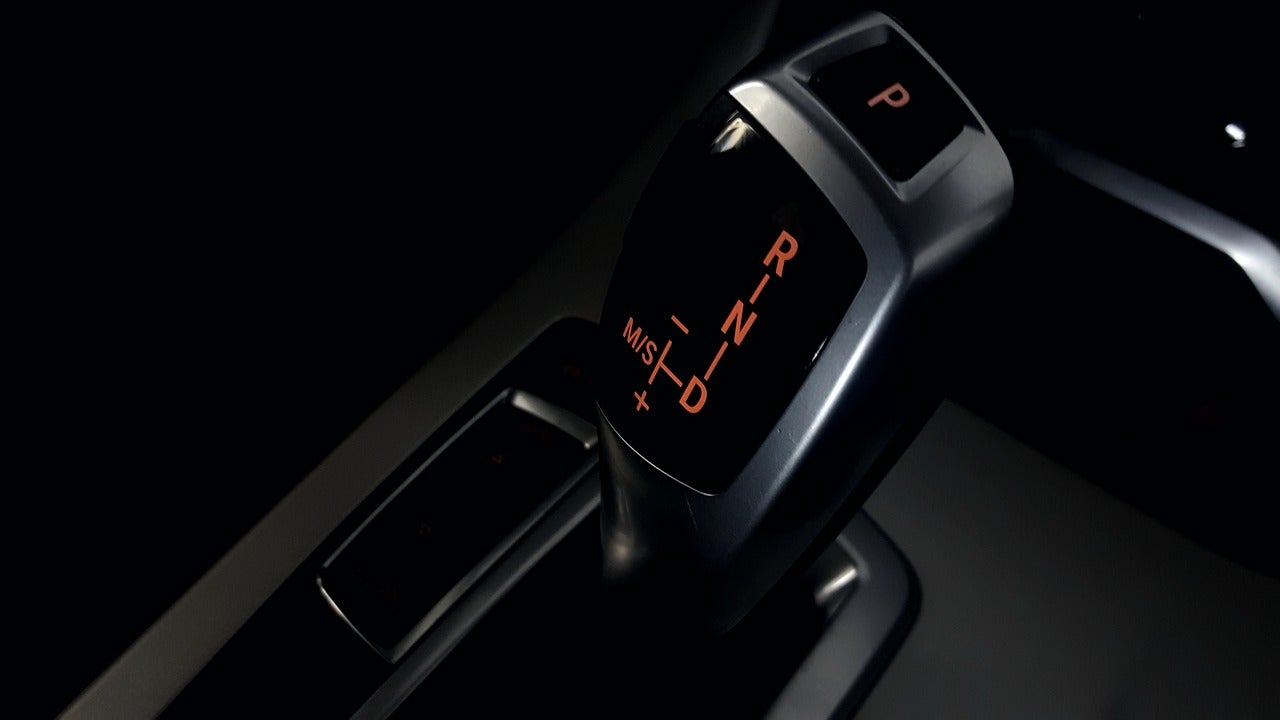
A car's gear shift

3 Signs You Need a Transmission Repair at Your Lincoln Dealer

The thought of a transmission repair is scary for many drivers. Transmission problems are generally seen as expensive and time-consuming. This perception isn't strictly true. Most transmission issues can usually be fixed inexpensively and easily, provided you visit your Lincoln dealer ASAP. Our experts can fix any problem and have your transmission as good as new in no time. These are some signs you need to visit us for a repair. more Burning Rubber Smell A foul, burning rubber smell from your car could mean a damaged alternator belt, but it can also be a sign of transmission trouble. Transmission fluid circulated through your transmission to cool the hot components and protect them from friction damage. This fluid also has the vital task of providing hydraulic power for the gears to shift. The fluid can easily operate in the hot conditions of the transmission as it is heat-resistant. Transmission fluid needs to be changed approximately every 30,000 miles. Older transmission fluid becomes thicker, which slows it down and prevents it from working as effectively as it should. Older fluid also loses its heat-resistant properties and can burn. Burning transmission fluid smells like burning rubber. If the fluid is burning, we can flush the transmission and refill it with clean fluid to fix the problem. Strange Noises Your Lincoln transmission is completely silent as it works. If you start to hear strange noises when your transmission shifts, you have a transmission problem. Depending on the cause of the problem, you might hear the noises continually or only at certain speeds or gears. If the noises only occur in the third gear, for example, this would usually point to damage to these gears. The torque converter connects the engine to the transmission and is responsible for transferring energy from the engine to the transmission. A damaged torque converter will produce harsh grinding noises. It's also very possible the noises could be caused by a lack of transmission fluid. We examine your transmission and fix the problem. ​​​​​​​​​​​​​​​​​​​​​​​​ Fluid Leak As we've seen, transmission fluid is essential for your transmission. The fluid is pumped through the transmission at high speed, and this means that a tiny crack or hole in the transmission can lead to a rapid loss of fluid. The most common source of fluid leaks is a worn or damaged transmission pan gasket. This gasket fits into the transmission pan underneath the transmission and allows the fluid to be drained when necessary. Transmission fluid is bright red when it's new and slowly turns a darker red. If you spot a leak, we advise calling us ASAP so we can find and seal the leak to prevent any transmission damage. If you have a transmission problem, call our service department right away at Asheville Lincoln. Image via Pixabay

A mechanic working on a car's wheel

Does Your Lincoln Need a Brake Repair?

As with any component of a Lincoln vehicle, the brakes are made to last. But wear and tear can eventually take its toll on even the toughest of brakes. If you notice the following indications of trouble, visit your nearest Lincoln dealer right away for brake repair. more Squeaking Brake Pads Squeaking sounds from the brakes can be something harmless, like a little water or dust on the brake pads. But if you hear a persistent squeaking sound every time you press the brake pedal, one or more of your brake pads may need to be replaced. Brake pads bear the brunt of the work whenever you brake. By clamping onto the rotors, the brake pads generate friction to slow or stop your car. Each time they do so, the upper friction layer of the pads wears down a little more. When the friction layer is almost gone, a tiny metal tab is uncovered, which creates the squeaking sound. Vibrating Rotor Discs Rotor discs last a good deal longer than brake pads, but rotors can wear thin over time. When a rotor is on its last legs, it may begin to warp slightly out of shape, which results in vibrations that you might feel through the brake pedal. Overheating through excessive continuous use can also cause damage to rotors. If your rotors overheat, they can become scored by the brake pads or even coated in melted brake pad resin. Any such damage will also cause vibrations. Leaking Brake Fluid Brake fluid maintains hydraulic pressure inside the brake lines that send stopping signals to each caliper. If this fluid ever leaks out from a brake line, that hydraulic force is lessened, which will result in a spongy sensation when you press the brake pedal. If you ever suspect a brake fluid leak, check under your car for a leaking oily, yellowy liquid. It's safest not to drive in a car with leaking brake fluid. Clattering Calipers The calipers clamp the brake pads onto the rotors at each wheel. Occasionally, a stop from the road may become trapped in a caliper, creating clattering or grinding sounds when you brake. If one of the pins or bolts comes loose, it will create a similar sound. How Your Local Lincoln Dealer Inspects Your Brakes A proper brake examination really requires a trip to your local dealership because the car needs to be raised in order to remove the wheels. Firstly, the brake fluid will be checked and topped up if necessary. The fluid lines will all be examined. With the car raised, the wheels and calipers will be removed. Each brake pad, rotor, and other component will be inspected carefully. Any faulty parts will be replaced and finally, the brakes will be tested to ensure all is working well. Have your brakes checked and repaired today at Asheville Lincoln. We're a full-service dealership with a broad range of excellent vehicles and friendly, dedicated staff to help with your vehicle purchasing or repair needs. Image via Pixabay

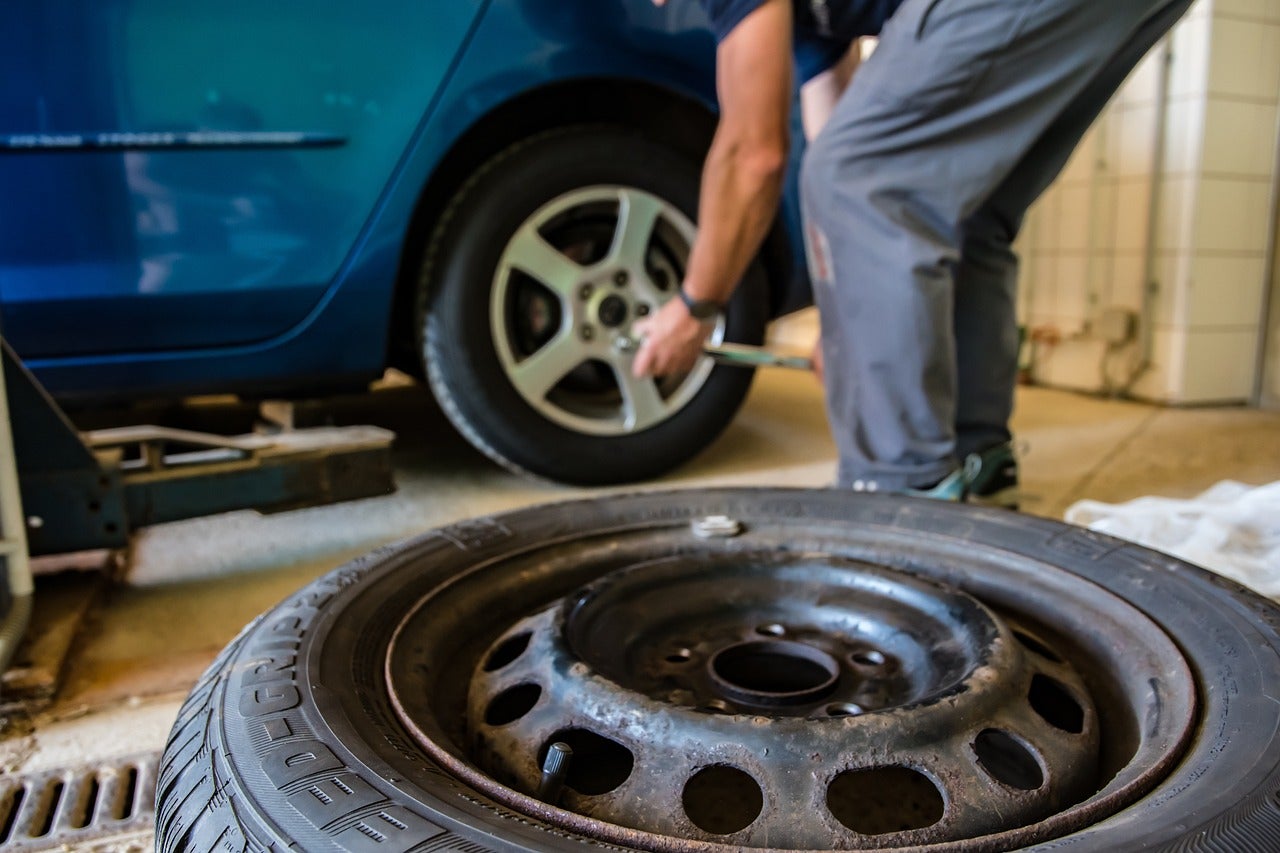
A mechanic replacing the tires on a car

3 Important Services You'll Find at Your Asheville, NC, Lincoln Dealership

Regular maintenance is essential for keeping your Lincoln in great shape. Components will wear out due to age and usage and need replacement. Other components can have their life extended by regular checks At your Asheville, NC, Lincoln dealership, we offer a wide variety of services for your car. These are a few of our services that will help your Lincoln stay in great shape. more Battery Testing A dead battery is the last thing any driver wants. When you push the start button, your engine should spring to life in seconds. Unfortunately, car batteries have a relatively short lifespan. On average, you will need a replacement battery every three to five years. Testing your battery regularly is the easiest way to prevent a suddenly dead battery. We'll remove your battery and hook it up to our computerized battery testing matching. The machine will subject your battery to a barrage of tests that can identify any potential problems or weaknesses it has. We recommend a battery check when your battery is three years old, followed by annual testing. If your battery is weak, we can install a new one for you while you wait. Brake Servicing When you hit the brakes on your Lincoln, it will come to an immediate stop. Over time, parts of the braking system can become worn or damaged, and your brakes will be less responsive than they should be. Well-serviced brakes will ensure your car will always stop exactly when you need to, and this can help prevent an accident. During a brake service, we check and test every part of your braking system. We test and replace your brake fluid, as new brake fluid is even more efficient at proving the necessary hydraulic power that enables your brakes to work. The brake pads will be examined and replaced, and we examine the condition of your rotors. Once the service is complete, you'll see an immediate increase in braking speed and efficiency. Tire Rotation and Alignment When your Lincoln is new, its tires are perfectly aligned. Correct alignment is important as it reduces tire wear, improves handling, reduces wear on other components, and allows faster braking. Over time, the wheels will gradually shift out of alignment. We can test your tire alignment and quickly make any necessary adjustments for you. Your tires will wear differently depending on their position on your car. Tires that aren't rotated are more likely to suffer punctures or even a bow out. We can reduce damage to your tires by shifting them from positions of greater wear to positions of lesser wear. This allows all your tires to wear down at a relatively even rate. If you'd like to book a service or explore some of our other service options, call us today at Asheville Lincoln. Image via Pixabay

Contact Us

Fill out this form below and we'll contact you shortly
*Required Fields